
Covering the 2026 World Cup on this blog
When FIFA, at the time a burgeoning 26 years young, invited teams to its inaugural World Cup, enthusiasm was restrained. Famously, only four European nations sent their representatives on the long transatlantic journey to Montevideo. Most strikingly, none of the most accomplished teams like Italy, Germany, Spain or Portugal found it worthwhile to compete against the nine South American and two North American sides making up the first tournament. In 1928, the British associations had even gone so far as to leave FIFA over a dispute concerning compensation for players. The strict amateurism of the British must have seemed strange to their New World counterparts, where professionalism was becoming ubiquitous in the 1930s.
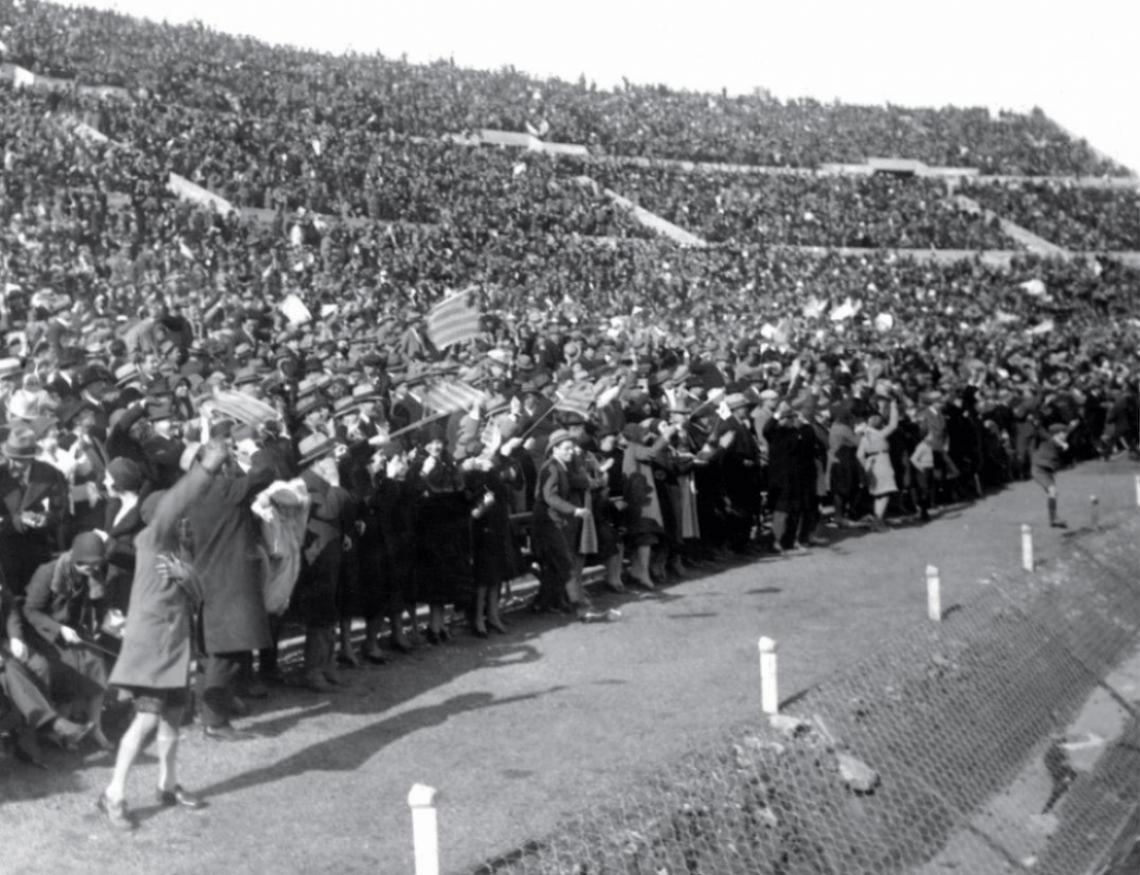
94 years and 22 editions later, a record 45 teams will join the three host nations in what has now been transformed into a global entertainment super-spectacle very little compares to. Questions over amateurism or travel costs would offend players and associations used to the large sums trickling down from the billions of revenue generated by their benevolent global governing body.
Yet the upcoming World Cup won’t be without its controversies. The expanded format will yield newfound enthusiasm among the 16 nations that wouldn’t have otherwise been able to participate and fans appreciating the novelty of seeing powerhouses like Uzbekistan and the DR Congo or Austria and Jordan compete in giant American Football arenas. It will also massively prolong a footballing calendar already filled to the brim and turn the group stages into a glorified second qualification round with little relevance.
Not to speak of the political ramifications that will and have already arisen from hosting a global tournament in a country that chooses to disengage from most global collaboration. With the exception of genocide and acts of aggression against fellow World Cup participants, of course.
FIFA has always embraced a role lifted from its international Olympic counterpart: to be a steward over global displays of sportsmanship as opportunities for mutual understanding and the promotion of peace among nations. This delusion quickly leads to ridiculous scenes like FIFA president Gianni Infantino’s recent attempt at solving the Palestinian-Israeli conflict. At this point, it mustn’t go unmentioned that even after almost three years of genocide, FIFA has ignored all calls to suspend Israel like it did Russia in 2022. No mention has ever been given to the fact that in its relentless pursuit to erase Palestinian society, hundreds of Palestinian footballers, by extension themselves members of FIFA, are being killed or persecuted. There has been no call to free the two national team players recently taken hostage. Not to mention one for justice for the thousands of fans that fell victim to Israeli aggression.
There have always been political controversies over choices of World Cup hosts. The previous two tournaments in Qatar and Russia garnered much criticism by mostly Western European media and even produced lukewarm statements by usually reticent players. As a contrast to 1978, when German captain Berti Vogts defended the tournament in the Argentinian military dictatorship by famously declaring he hadn’t personally seen a single political prisoner. In 1934, fascist Italy was selected as the venue, which ended in allegations of match fixing and questions over FIFA’s close relationship to Mussolini’s regime. Maintaining close relationships with hosting governments has always been a staple of FIFA’s business model, which relies on the ability to extract large profits from their countries under favorable conditions, usually involving tax exceptions and circumvention of regulations.
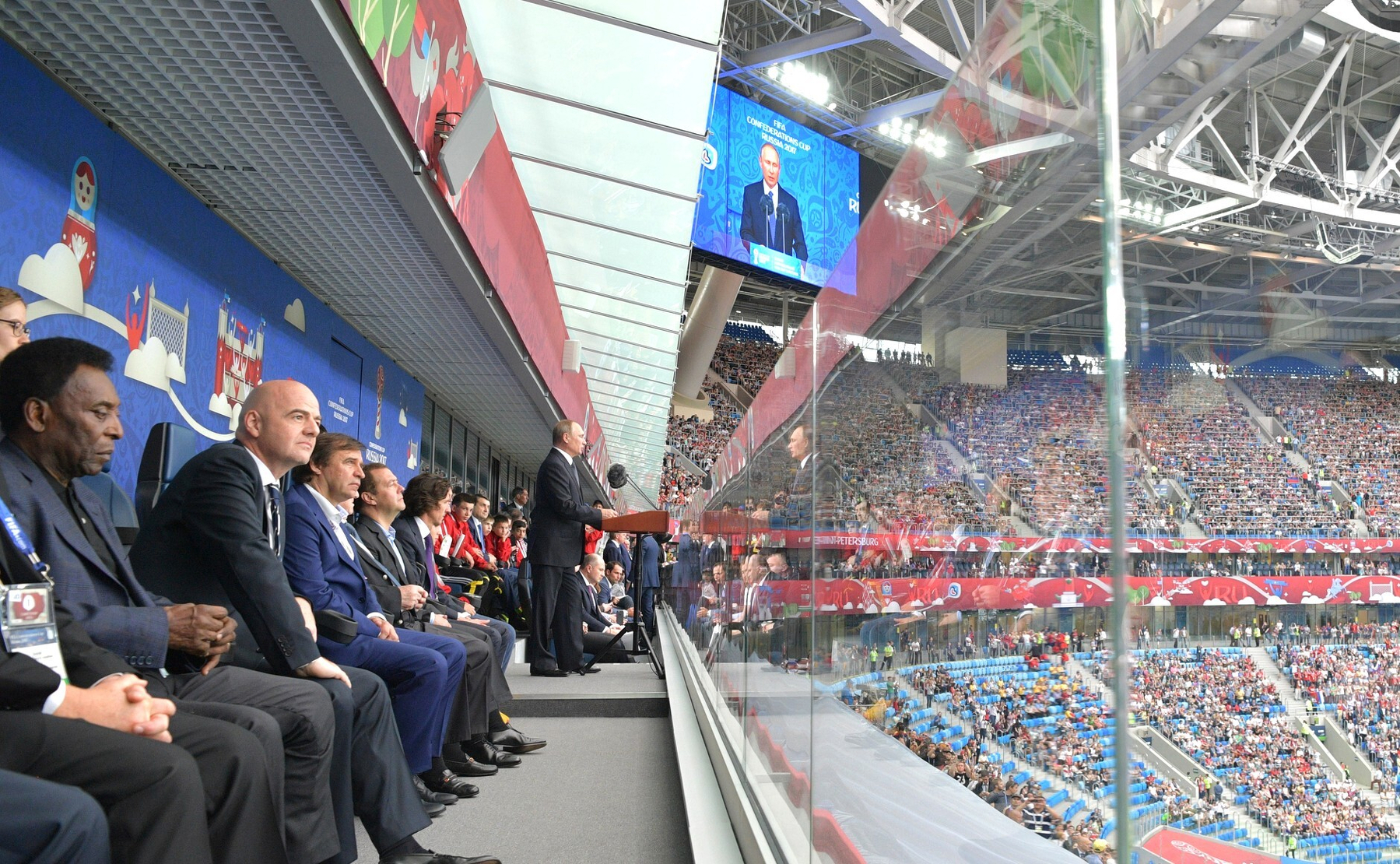
Gianni Infantino has taken this to a new extreme. Since ascending to the throne of global football, he has received the Order of Friendship medal from Vladimir Putin (World Cup host 2018), moved to Qatar (World Cup host 2022) and awarded Donald Trump (World Cup host 2026) a never-before-seen “FIFA Peace Prize - Football unites the World”. Over the past 9 years, his relationship to the latter eclipsed all else. Infantino currently sits quite high on the list of most regular White House visitors. He’s part of Trump’s “Board of Peace” and regularly joins the presidential entourage at international conferences. Whether they’re genuinely best buddies or they’re simply taking advantage of each other’s positions deserves a deeper examination at another time. Although recently it seems quite obvious that Trump holds the leverage to bend Infantino’s positions, not the other way around, as was the case in almost all previous relationships between governments and FIFA.

The US is at this point the most important and most courted growth market for football. US investment is flooding European football, replacing Chinese and, given current regional tensions, most likely Gulf capital soon as well. It is no secret that the sport is further and further being Americanized. From language and culture to the game itself, this trend shows no sign of stopping and will only accelerate during and after this year’s tournament.
Even though I find FIFA, the USA and all these developments frankly abhorrent, I won’t be boycotting the World Cup, but will rather try to critically accompany the tournament and the shit show it might turn into on this blog. I’m rather busy at the moment so you’ll have to see how much supplementary material I can offer, but honestly I’m kinda hyped we’re at least back to a summer tournament. Ok, now I’m off to watch the opening match.